How thick can laser welding machines weld with different 1000-6000 watt powers?
发布日期:2025-06-19 浏览量:1
The power of laser welding machine is closely related to material thickness, type, and welding process parameters. The following is a comprehensive analysis of the welding capabilities and applicable scenarios for different power models (1000W, 1500W, 2000W, 3000W, 6000W):
1. 1000W laser welding machine
Applicable thickness:
Stainless steel/carbon steel: The thickness of a single weld is usually 3-5mm (if double-sided welding can reach 5-10mm, but the welding speed needs to be reduced to increase the penetration depth).
Aluminum/copper: Due to high reflectivity and thermal conductivity, the maximum welding thickness is about 2-3mm, and parameters need to be adjusted (such as reducing welding speed and optimizing protective gas).
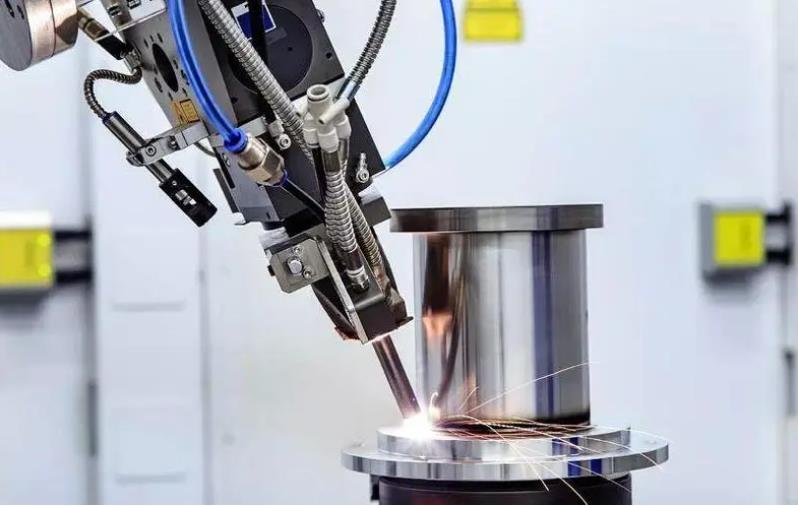
Application scenario: Suitable for thin plate welding, such as precision electronic components, small metal parts (advertising letters, lighting fixtures, etc.).
2. 1500W laser welding machine
Applicable thickness:
Stainless steel/carbon steel: single-sided welding within 3mm, double-sided welding up to 6mm.
Aluminum/copper: single-sided welding within 4mm (requires higher energy density and optimized parameters).
Features: The handheld model is flexible, suitable for outdoor or complex angle welding, with beautiful welds and minimal deformation.
Application scenarios: Sheet metal processing, chassis and cabinets, kitchen and bathroom equipment, and other small and medium-sized workpieces.
3. 2000W laser welding machine
Applicable thickness:
Carbon steel/stainless steel: single pass welding 0.5-10mm (common thickness in industrial applications is 5-8mm).
Aluminum/copper: 0.2-7mm (requires auxiliary gas and low welding speed).
Features: Strong deep penetration welding ability, suitable for continuous welding of medium and thick plates, with a small heat affected zone.
Application scenarios: automotive body (frame, door panel), aerospace components (engine parts, skin), etc.
4. 3000W laser welding machine
Applicable thickness:
Stainless steel: Single pass welding can reach 6mm.
Aluminum alloy: 2-3mm (requires optimization of spot and welding speed).
Features: Higher efficiency after power increase, suitable for scenarios with high requirements for speed and weld strength.
Application scenarios: Large scale machinery manufacturing, ship structural components, etc.
5. 6000W laser welding machine
Applicable thickness:
Stainless steel/aluminum alloy: single pass welding can reach 9mm.
Carbon steel: 8mm.
Features: High power combined with composite welding technology (such as laser wire filling welding or laser arc composite welding), can handle ultra thick plates, and the weld quality is stable.
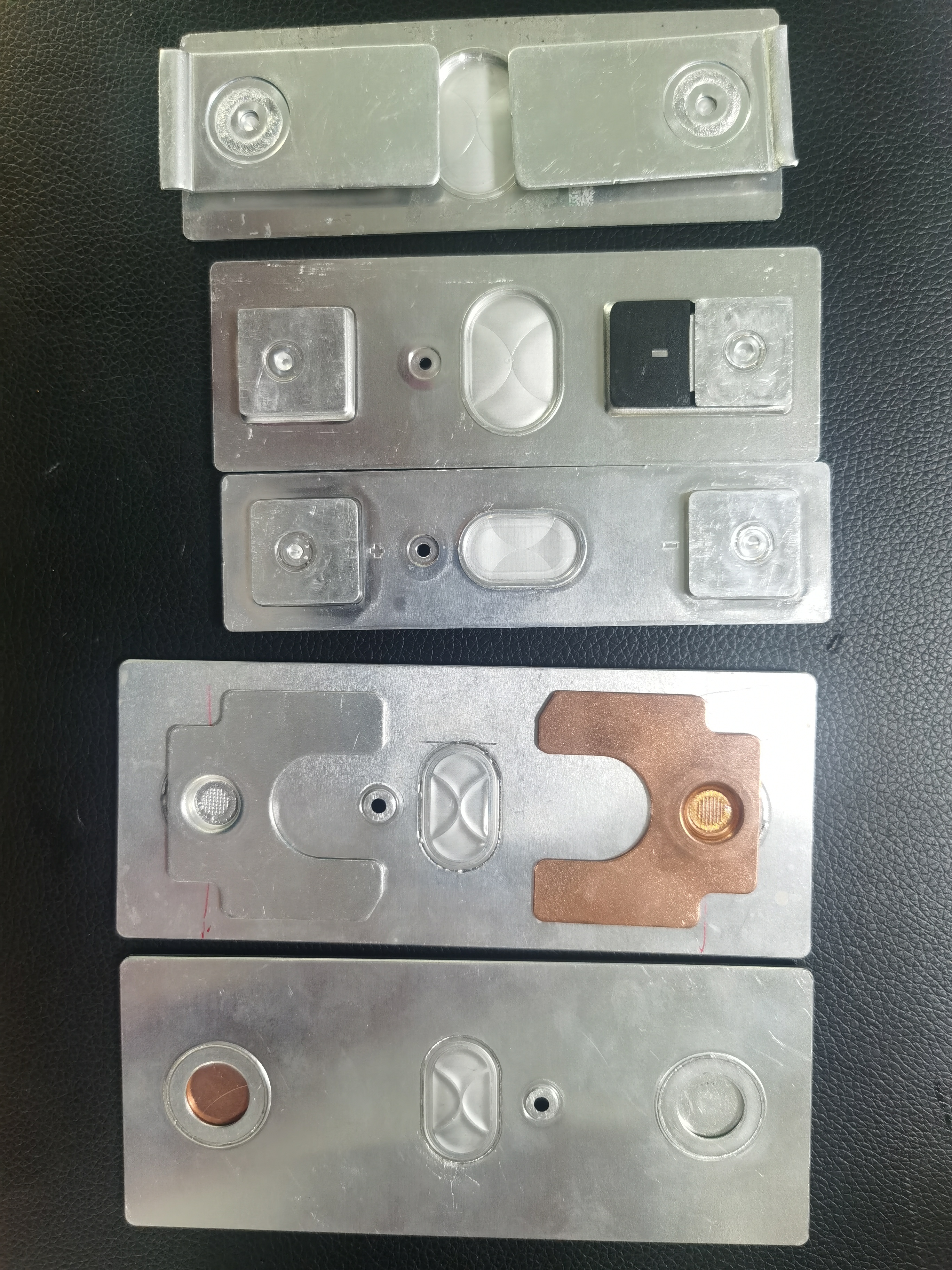
Application scenarios: power battery pack (busbar, pole ear welding), oil pipeline, heavy equipment manufacturing, etc.
Selection suggestions
Material type:
Highly reflective materials (aluminum, copper): require higher power or optimized parameters (such as pulse mode, protective gas).
Carbon steel/stainless steel: has a higher laser absorption rate and a wider range of applicable power.
Thickness and efficiency:
For thin plates (<3mm), the 1000W-2000W handheld model is preferred for flexibility and efficiency.
Medium thick plates (5-10mm) require models with a power output of over 2000W, and composite welding technology may be used if necessary.
Process parameter optimization:
Welding speed, spot quality, and auxiliary gases (such as argon) all affect the depth of fusion and need to be adjusted according to the material.
Highly reflective materials are recommended to be paired with short wavelength lasers (such as fiber lasers) to improve absorption.
summarize
The power of laser welding machine is positively correlated with material thickness, but it needs to be selected comprehensively based on material characteristics, process parameters, and equipment types. For example, the 6000W model is suitable for industrial grade ultra thick sheets, while the 1500W handheld model is more suitable for flexible small-scale processing. When selecting specific models, it is recommended to verify parameter adaptability through sample testing